Embroidery Digitizing Design Review for Business Use
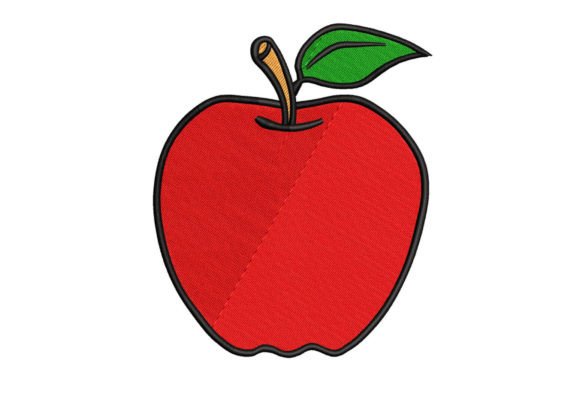
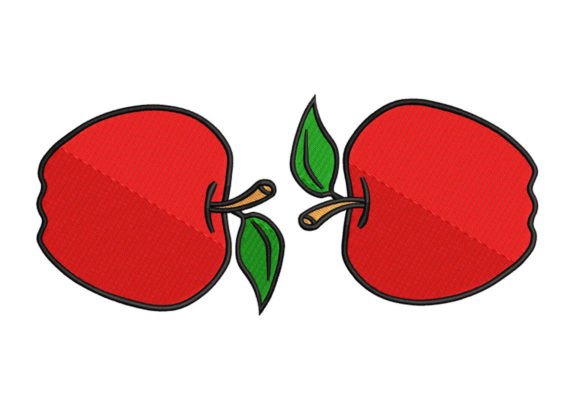
Embroidery Digitizing Design is a digital embroidery file that captures the essence of apples with a blend of artistry and precision. As an experienced embroidery designer, I've reviewed this design to determine its suitability for small business merchandise and branded patches. This review focuses on how it performs in real-world applications and what businesses should consider before using it.
First Impressions: A Taste of Elegance and Simplicity
The Embroidery Digitizing Design exudes a sense of elegance and simplicity. The title and description suggest a professional approach to capturing the spirit of apples—something that feels both classic and modern. It's not overly complicated or garish; instead, it offers a clean, friendly aesthetic that can appeal to a wide range of audiences.
This design has a rustic charm that would fit well in a food-related context, such as a café, bakery, or boutique. Its subtle detailing makes it feel handmade yet premium, which aligns perfectly with the needs of small businesses looking to create branded merchandise that feels personal and authentic.
Real-World Applications: From Patches to Uniforms
The Embroidery Digitizing Design is versatile enough to be used across various items. For example, it could work beautifully as an embroidered patch for a boutique or a cap design for a local bakery. When placed on staff uniforms or aprons, it adds a touch of brand identity without overwhelming the overall look.
As a machine embroidery design, it can also be used for tote bag designs, product packaging accents, and even customer gifts. The design's visual consistency helps reinforce brand recognition, making it easier for customers to remember and connect with your business.
For Etsy sellers or craft businesses, this digital embroidery file can serve as a key element in creating custom apparel or handmade products. It can be incorporated into printable mockups, allowing clients to visualize how the final product will look before production begins.
Where to Use with Caution: Design Limitations and Considerations
While the Embroidery Digitizing Design is impressive, there are certain scenarios where it might not perform optimally. For instance, when used on small patch sizes or curved surfaces like cap fronts, the details may get lost or distorted. Similarly, if the design includes tiny lettering or high stitch density, it might require careful adjustments to ensure clarity and quality.
Businesses should also consider fabric texture and color contrast. Darker uniforms may require thread colors that stand out, while textured fabrics may need additional stabilizer to prevent puckering. Frequent washing can also affect the longevity of the embroidery, so it's essential to test the design on real fabric before mass production.
Impact on Brand Identity and Professionalism
The Embroidery Digitizing Design plays a crucial role in shaping a business's brand identity. A well-executed embroidered patch or cap embroidery can elevate the perceived value of your merchandise and contribute to a more professional appearance. Consistency in design across all branded items helps build customer trust and recognition.
For small businesses, especially those in the food industry, this design can help create a cohesive visual language that communicates quality and care. Whether it's on a chef’s apron, a bakery’s tote bag, or a café’s branded merchandise, the Embroidery Digitizing Design reinforces the idea of a thoughtful, handmade product.
Practical Embroidery Designer Notes
Before using the Embroidery Digitizing Design for commercial purposes, here are some practical tips:
- Test it in black and white first: This helps assess the design's structure and detail before moving to colored threads.
- Check if it works at small patch size: Ensure the design remains clear and legible when scaled down.
- Review thread color contrast: Choose colors that stand out against the fabric to maintain visibility.
- Inspect spacing and confirm hoop size: Proper spacing and hoop size are essential for accurate stitching.
- Test on real fabric: Always test the design on the actual fabric you plan to use.
- Use proper stabilizer: This prevents puckering, especially on textured fabrics.
- Create a mockup for client approval: A printable mockup can help clients visualize the final finished product.
- Compare it beside other design assets: Ensuring visual consistency across all branding materials is crucial.
- Confirm commercial licensing: Always verify that the design can be used for commercial embroidery projects.
In conclusion, the Embroidery Digitizing Design is a valuable asset for any small business looking to enhance their branded merchandise. With careful consideration and testing, it can become a key component of your brand identity, helping to attract customers and build lasting connections. As a professional embroidery designer, I recommend incorporating this design into your small business merch strategy with these notes in mind.